
Jailing is Failing
Aboriginal and Torres Strait Islander People
First Nations people make up 3.3% of the general population but 33% of people in prison are First Nations people. In some jurisdictions, this is significantly higher.
Jailing is Failing
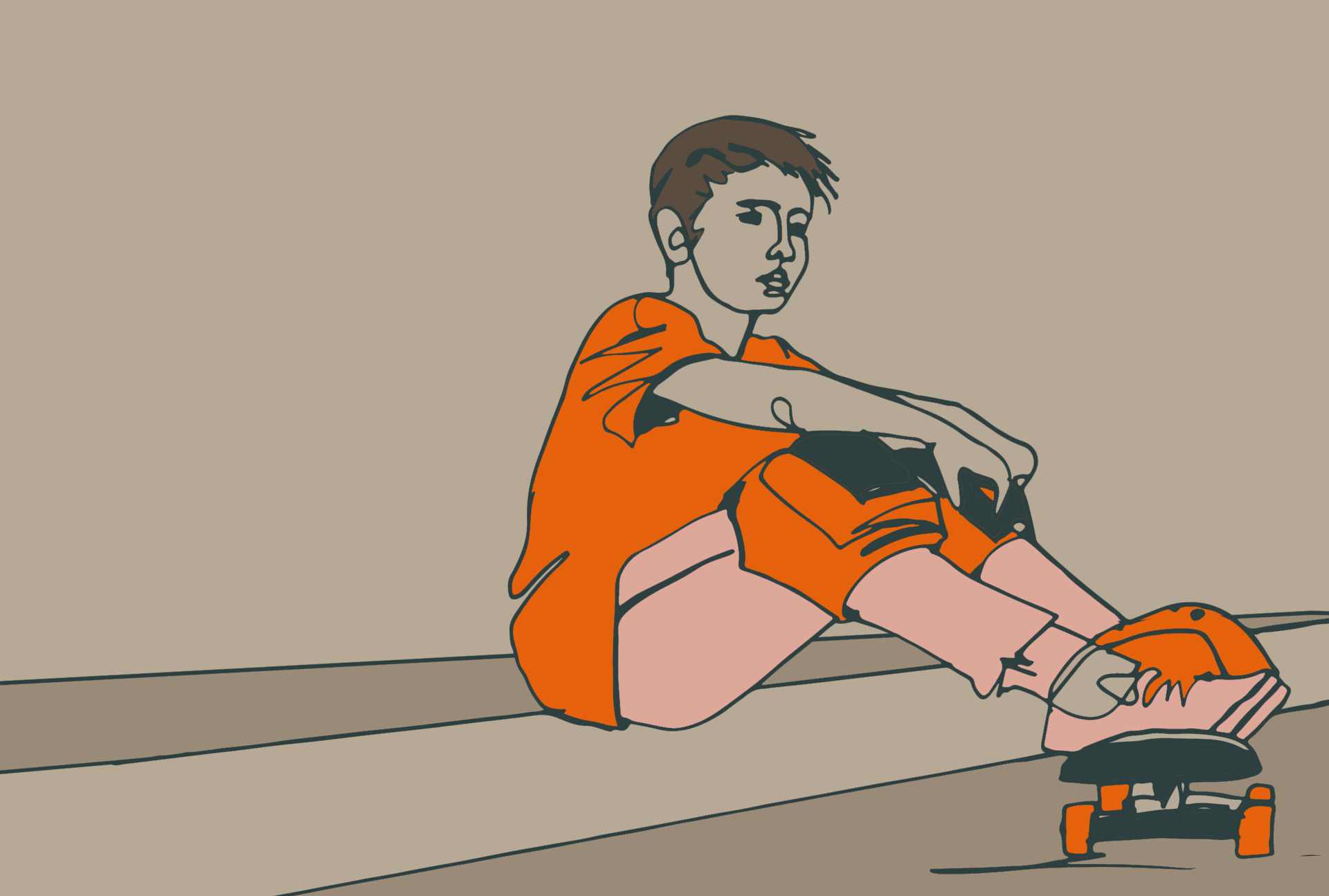
Children and Young People
Most children who enter the youth justice system (including children as young as 10) come from backgrounds where they have already experienced disadvantage and trauma, with a significant number also having experienced out of home care. Prison increases disadvantage and disconnection. Children in the youth justice system need family and community support, education, and life opportunities, not punishment that compounds disconnection and disadvantage.
Jailing is Failing
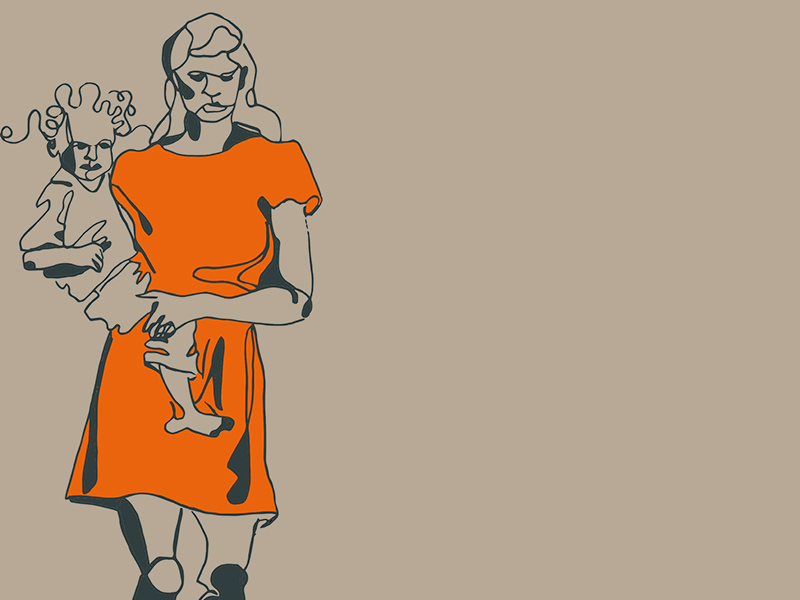
Women
In Australia the vast majority of incarcerated women have themselves survived crime in the form gendered violence. This includes many women who have survived family and domestic violence.
Jailing is Failing
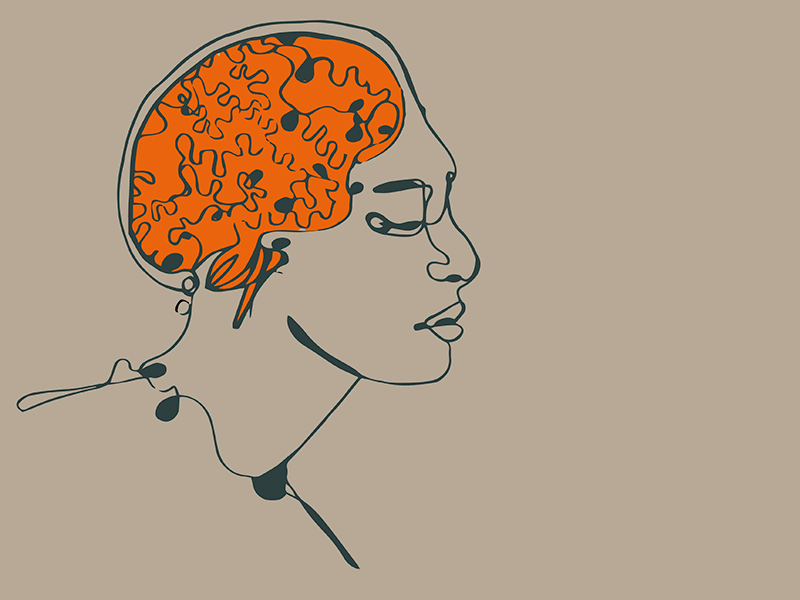
People with Mental Health Conditions and Cognitive Disability
More than half of all adults entering prison report being diagnosed by a health professional with a mental health condition. 39% of people in prison have...

Jailing is Failing
Taxpayers
The cost of incarceration in Australia is more than $8.4 billion per annum. The cost of keeping someone in prison each year is approximately $119,147.

Jailing is Failing
People Who Experience Disadvantage
The majority of people incarcerated in Australia come from circumstances where they have experienced multiple and intersecting disadvantages.
Jailing is failing the most disadvantaged. The majority of people incarcerated in Australia come from circumstances...

Jailing is Failing
Victims of Crime
Victims of crime frequently call for better support alongside better access to justice. Victims of crime also often advocate for processes and responses that genuinely address the causes of crime, and also ensure that people who have committed crime are held accountable for their actions.

Jailing is Failing
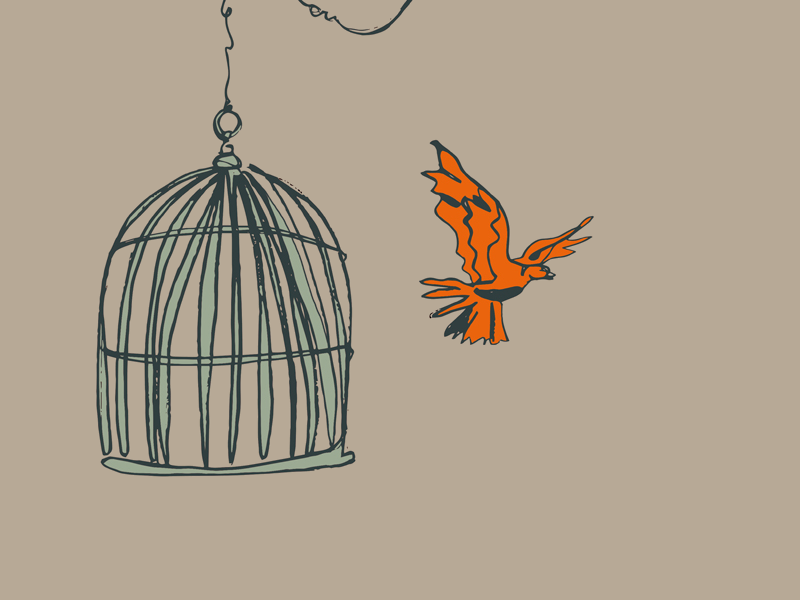
Rehabilitation
In order to break the cycle of incarceration, people need access to support services that address the drivers of contact with the criminal justice system. People need access to post-release support, help to address homelessness, and access to education, alcohol and other treatment, and genuine work opportunities.